

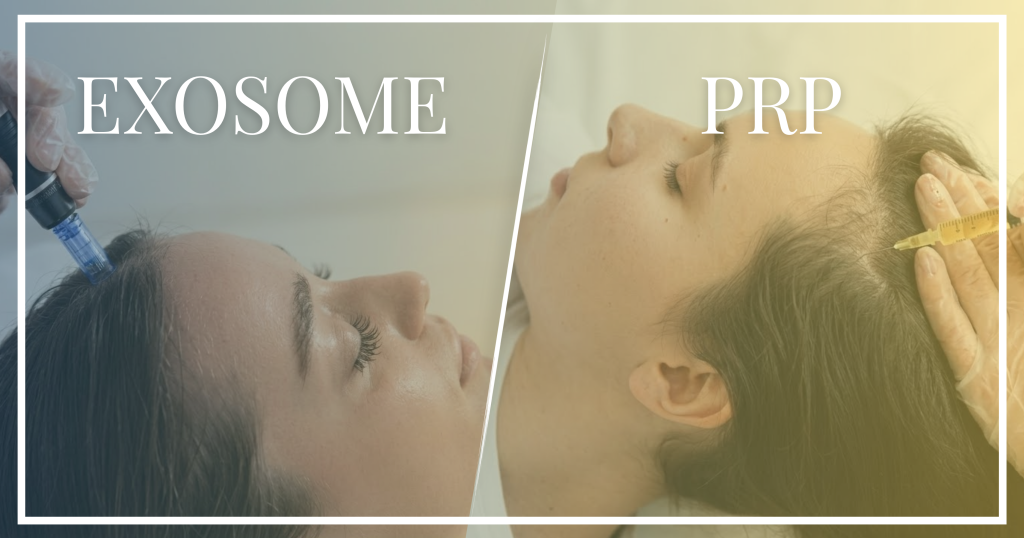
Aesthetic medicine is evolving beyond temporary surface-level fixes, with more people exploring regenerative skin treatment as part of a long-term approach to healthier skin. Among today’s most talked-about options for non-surgical rejuvenation are Platelet-Rich Plasma (PRP) and Exosome Therapy.
Although both are used in skin rejuvenation therapy to support the skin’s natural repair processes, they work in different ways. PRP uses components derived from your own blood to encourage healing, while Exosome Therapy uses carefully prepared cellular messengers that help signal repair and renewal within the skin.
Understanding the differences in PRP vs Exosomes can help you make a more informed decision about which approach aligns best with your skin concerns, comfort level, and aesthetic goals. At Rejuuv Medi Spa, patient education is an important part of the consultation process, helping each individual explore advanced treatment options that support healthier-looking, refreshed skin.
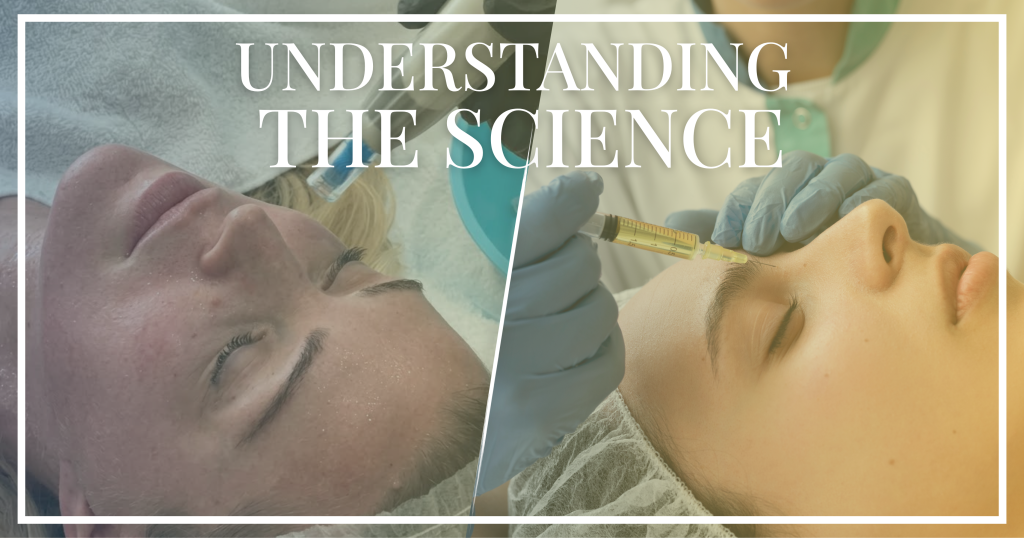
To understand which regenerative skin treatment may be most suitable for your goals, it helps to look at how each works at a biological level. Both PRP and Exosome Therapy are used in skin rejuvenation therapy to support the body’s natural repair processes, but they do so in very different ways. One approach uses components derived from your own body, while the other relies on carefully prepared cellular messengers designed to support communication within the skin.
PRP begins with a simple blood draw. The sample is then placed in a medical-grade centrifuge, which separates and concentrates the platelets from other blood components. While platelets are widely known for their role in clotting, they also contain naturally occurring growth factors that play an important role in tissue repair and cellular signaling.
When concentrated platelets are applied back into the skin, often through injection or in combination with microneedling, they release signaling proteins that help support the skin’s healing response. These include:
In simple terms, PRP works by using your body’s own biological resources to encourage repair, improve skin quality, and support healthier-looking skin over time.
While PRP relies on the cells themselves, Exosome Therapy represents the next generation of biotechnology by focusing on the communication between cells. Exosomes are not cells, they are extracellular vesicles—tiny, nanoscopic bubbles released by mesenchymal stem cells (MSCs) that act as the body’s sophisticated “postal service.”
In the context of Exosome Therapy, these vesicles are harvested in a controlled laboratory setting. They carry a highly concentrated payload of:
The primary scientific advantage of exosomes is that they are cell-free. Because they contain only the information of the cell, they are incredibly stable and have a low risk of being rejected or causing an adverse immune response. While PRP provides the raw growth factors, Exosomes provide the specific, high-potency instructions needed to accelerate the repair of deep wrinkles, hyperpigmentation, and loss of elasticity. This precision makes Exosomes a formidable evolution in PRP vs Exosomes discussions, particularly for those whose own cellular repair signals may have slowed down with age.
To understand which regenerative skin treatment may be most suitable for your goals, it helps to look at how each works at a biological level. Both PRP and Exosome Therapy are used in skin rejuvenation therapy to support the body’s natural repair processes, but they do so in very different ways. One approach uses components derived from your own body, while the other relies on carefully prepared cellular messengers designed to support communication within the skin.
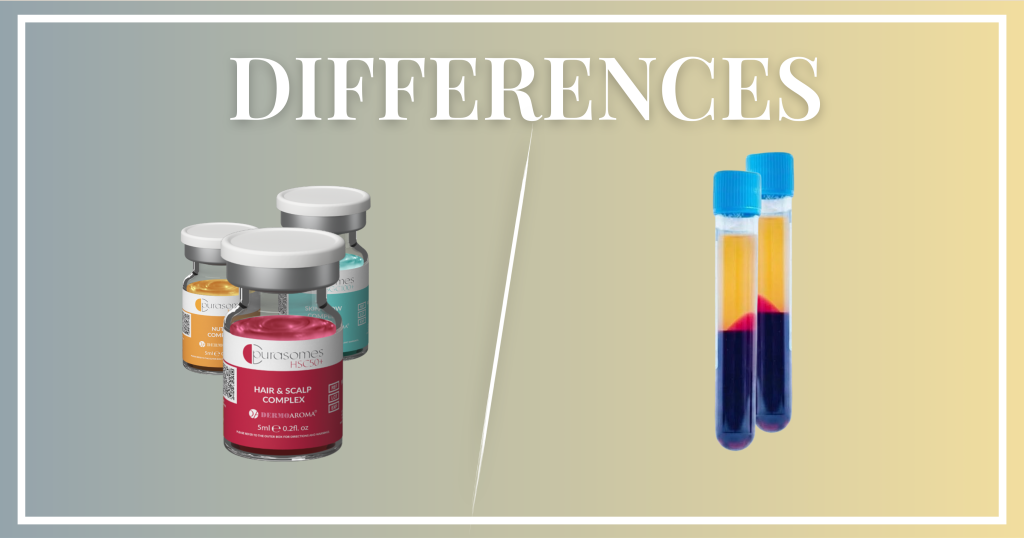
One of the clearest differences in PRP vs Exosomes is where the treatment material comes from.
PRP is an autologous treatment, meaning it is prepared from your own blood. A small blood sample is collected at the beginning of the appointment, then processed in a medical-grade centrifuge to concentrate platelets and naturally occurring growth factors.
Exosome Therapy, by contrast, uses carefully prepared extracellular vesicles sourced through controlled laboratory processes and developed to support cellular communication within the skin. Because the formulation is pre-prepared, there is no need for a blood draw, allowing for a more streamlined treatment experience.
PRP and Exosome Therapy both support the skin’s natural repair processes, but they do so differently.
PRP delivers a concentration of your body’s own platelets, which release growth factors involved in tissue repair, collagen support, and skin recovery.
Exosome Therapy introduces signaling vesicles that help facilitate communication between cells. These biological messengers may support the skin’s renewal processes, including repair signaling, hydration balance, and overall skin quality. In simple terms, PRP works by supplying your skin with concentrated healing components from your own body, while Exosome Therapy focuses on delivering cellular signals that help guide repair and regeneration.
For many individuals considering non-surgical rejuvenation, the treatment process itself is an important factor.
Because PRP begins with a blood draw, it includes an additional preparation step before treatment can begin. This is a comfortable process for many patients, though some may prefer treatments that involve less preparation.
With Exosome Therapy, there is no blood collection required. This makes treatments such as microneedling with exosomes a convenient option for patients seeking a more direct skin-focused procedure, with treatment time centered on application rather than preparation.
Another important consideration in PRP vs Exosomes is consistency.
Because PRP is sourced from your own blood, the concentration of platelets and growth factors may vary from person to person. Factors such as age, hydration, sleep habits, and overall wellness can influence the biological makeup of the sample.
With Exosome Therapy, formulations are prepared under controlled laboratory standards, allowing for greater consistency in composition from one treatment session to the next. For patients who value a standardized approach, this may be an important consideration when exploring skin rejuvenation therapy options.
The right regenerative skin treatment depends on your skin concerns, treatment preferences, and consultation findings.
PRP is often explored by individuals who prefer a self-derived treatment approach and want to use their body’s own biological resources as part of their rejuvenation plan.
Exosome Therapy appeals to individuals seeking a treatment easily paired with microneedling, laser treatments, or other professional skin therapies to support recovery. While similar to PRP in its application, exosomes offer a more standardized alternative that may be more attractive to patients concerned about the quality or consistency of their own blood
Ultimately, the choice between PRP vs Exosomes is highly personal. A professional consultation can help determine which option best aligns with your skin goals, comfort level, and long-term treatment plan.

Choosing between PRP and Exosome Therapy depends on your skin concerns, treatment preferences, and long-term goals. While understanding the science behind PRP vs Exosomes is important, real treatment decisions are often based on how each option fits your skin’s current condition and the type of skin rejuvenation therapy you are seeking. At Rejuuv Medi Spa, treatment planning begins with a personalized assessment to determine which approach may best support your skin’s natural renewal process.
PRP is often considered by individuals who prefer an autologous approach, meaning the treatment is prepared from their own blood and uses their body’s naturally occurring growth factors as part of a regenerative skin treatment plan.
PRP may be explored by those who are looking for:
For some individuals, Exosome Therapy may be a suitable option when the goal is to support skin renewal through advanced cellular signaling. Because Exosome Therapy focuses on communication between cells, it is often integrated into professional skin rejuvenation therapy protocols designed to support overall skin quality.
Patients may consider Exosome Therapy when looking to address:
In some professional treatment settings, the conversation is not always PRP vs Exosomes, but rather how both may complement one another within a broader regenerative skin treatment strategy.
PRP provides naturally occurring growth factors derived from your own blood, while Exosome Therapy offers signaling vesicles that help support cellular communication. When thoughtfully integrated into a personalized treatment plan, these approaches may be used together to support skin recovery, collagen renewal, and overall skin quality.
Combination protocols may also be incorporated alongside procedures such as microneedling with exosomes or other professional aesthetic treatments, depending on your skin goals and consultation findings.

While PRP and Exosome Therapy can each be incorporated into treatment plans on their own, they are also commonly paired with advanced procedures as part of a more comprehensive regenerative skin treatment approach. In non-surgical rejuvenation, how a treatment is delivered can play an important role in how it is integrated into the skin’s natural renewal process.
By combining these regenerative therapies with professional skin treatments, practitioners can create an environment that supports deeper product contact with the skin and a more personalized skin rejuvenation therapy experience.
Microneedling with exosomes has become a popular option in modern aesthetic care because it combines two complementary approaches to skin renewal.
Microneedling works by creating tiny micro-channels in the skin using a medical-grade device. This process stimulates the skin’s natural repair response and supports collagen renewal over time. These temporary channels also create an opportunity for topical ingredients, including Exosome Therapy, to be applied while the skin is primed for absorption.
When Exosome Therapy is paired with microneedling, the treatment may help support:
Many forms of skin rejuvenation therapy involve energy-based technologies such as radiofrequency microneedling or fractional laser procedures. These treatments are designed to stimulate skin renewal, though temporary redness, warmth, and visible downtime are common parts of the recovery process.
In professional aesthetic settings, Exosome Therapy may be incorporated into post-procedure protocols to support skin comfort and recovery after treatment. It is also frequently paired with advanced technologies as part of a personalized non-surgical rejuvenation plan designed around the patient’s skin goals, tolerance for downtime, and overall treatment strategy.
Whether you are exploring PRP vs Exosomes or considering combination protocols, the most effective treatment plan is often one that considers not only the therapy itself, but also how it is thoughtfully integrated into your broader skin care journey.

When considering Exosome Therapy as part of a non-surgical rejuvenation plan, the quality and sourcing of the product are important factors to understand. In advanced aesthetic care, treatment outcomes are shaped not only by technique, but also by the standards behind the products being used. Because Exosome Therapy relies on highly specialized cellular messengers, careful sourcing, manufacturing standards, and product transparency all play an important role in treatment quality.
In Canada, product selection and clinical protocols are approached with a strong emphasis on safety, professional oversight, and informed patient care. At Rejuuv Medi Spa, transparency around treatment options is part of helping patients make confident decisions about their skin rejuvenation therapy plan.
Unlike PRP, which is prepared during your appointment using your own blood, Exosome Therapy products are developed in specialized laboratory environments. This makes manufacturing standards, sterility protocols, and quality control important considerations when selecting a provider for regenerative skin treatment.
Professionally prepared exosome formulations are typically evaluated through processes such as:
These quality measures help support a professional standard of care in modern skin rejuvenation therapy.
Another important part of the PRP vs Exosomes conversation is consistency.
Because PRP is derived from your own blood, its composition naturally varies from person to person. Exosome Therapy, on the other hand, is developed through controlled laboratory processes, which allows for greater consistency in formulation when sourced from reputable manufacturers.
Ethical sourcing is also an important consideration. Exosome products used in professional aesthetic settings are developed from carefully screened and ethically sourced cellular materials under strict laboratory protocols, with attention to safety screening and product handling standards.
By choosing a clinic that values reputable sourcing and transparent product standards, patients can feel more informed about the regenerative skin treatment options being incorporated into their care. This level of quality control is one reason professionally administered Exosome Therapy differs significantly from many consumer skincare products marketed with exosome-related ingredients.

Choosing between PRP vs Exosomes is a personal treatment decision that should be guided by professional assessment, clear education, and a thoughtful understanding of your skin’s needs. At Rejuuv Medi Spa, our approach to non-surgical rejuvenation focuses on personalized care, clinical standards, and treatment planning that aligns with each patient’s aesthetic goals.
Every person’s skin is different, which is why skin rejuvenation therapy should never follow a one-size-fits-all approach. A consultation is an opportunity to assess your skin’s current condition, review your treatment history, and discuss the changes you hope to achieve through professional care.
This personalized approach helps determine whether PRP, Exosome Therapy, or a combination-based regenerative skin treatment plan may be appropriate for your goals. By tailoring treatment recommendations to your individual needs, care can be approached in a way that supports both comfort and long-term skin health.
At Rejuuv Medi Spa, advanced treatments, including microneedling with exosomes, are offered within a professional clinical setting guided by patient education, careful treatment planning, and adherence to recognized Canadian standards of care.
Whether your goal is to support skin texture, address visible signs of aging, or explore modern options in non-surgical rejuvenation, our team is here to help you understand your options and choose a treatment pathway that feels right for you.
Book your consultation today to learn whether PRP, Exosome Therapy, or a personalized combination approach may be the right fit for your skin goals.